When learning Spanish, most people know that papá is a standard word that means ‘dad’. However, this is just one way to say ‘dad’ in Spanish. In fact, Spanish speakers have other terms that they use more frequently when calling or referring to their dads.
So what are different ways to say ‘dad’ in Spanish? Depending on the Spanish speaking country, there are a number of formal and informal ways to say ‘dad’ in Spanish. Here are some of the most common terms that are used to say ‘dad’:
- Papá
- Padre
- Jefe
- Tata / Taita
- Pá
- Apá
- Papaíto
- Papi
All of these words can be used as nicknames or terms to say ‘dad’ in Spanish. However, their popularity and formality may vary depending on the Spanish speaking country you’re in. For that reason, in the following sections, we’ll include some descriptions that will help develop a better understanding of these words.
By the end of this, you’ll have 9 different words in your vocabulary that you can use to say ‘dad’ in Spanish.
1. Jefe – Dad
Even though in its standard meaning jefe means ‘boss’, Mexican speakers use this word in informal contexts as a way to refer and call their dads. As a slang word, ‘jefe’ can only be used in casual conversations and it’s quite popular among young people and men. Although women also use it, they tend to use it when speaking with family members.
¡Qué onda, jefe! ¿Cómo estás?
What’s up, dad! How are you?
El jefe de mi novia nos invitó a comer
My girlfriend’s dad invited us to have lunch
Má, ¿le dices a mi jefe que me voy a llevar el carro?
Mom, can you tell dad that I’m taking the car?
Take Note: As a synonym of ‘dad’, jefe is commonly used by teenagers and grown-ups. This meaning is almost never used by kids because since it’s too informal parents consider it inappropriate.
2. Papá – Dad
As you may know, papá is the direct translation of ‘dad’. In Latin American Spanish speaking countries, this word is the most common and standard way to say ‘dad. However, in Spain, papá is more suitable for children: for these Spanish speakers, ‘papá’ may sound too cutesy and childlike.
Papá, ¿quieres jugar conmigo?
Dad, do you want to play with me?
No sé si pueda ir, güey, tengo que ayudarle a mi papá
I don’t know if I can go, dude, I have to help dad
El cumpleaños de papá es mañana, ¡no se les vaya a olvidar!
Dad’s birthday is tomorrow, don’t forget it!
Take Note: Although in Spain ‘papá’ is mainly used by children, in Latin America this word is commonly used by children and grown-ups. This is a good example of the cultural and vocabulary differences between Latin American Spanish speaking countries and Spain.
3. Papi – Daddy
Papi is the direct translation of ‘daddy’. Just like this English word, in Spanish, ‘daddy’ is an affectionate and casual way to call your dad. This term is very popular among young children and women. Due to its nature, this word is not popular among men.
Extraño mucho a mi papi
I miss my daddy very much
Mamá, ¿a qué hora llega mi papi?
Mom, what time does my daddy get home?
Mira, le compré un reloj a mi papi por el Día del Padre
Look, I bought daddy a watch for Father’s Day
Take Note: In Latin American Spanish speaking countries, papi is also an affectionate word that moms use with their sons.
4. Tata / Taita – Pops / Dad
In Spanish, tata or its variation taita means ‘pops’ and ‘dad’. These words are used with an elderly man that inspires a lot of respect, as a result, it’s a nice word to use with your dad. These terms used to be common in rural areas, but nowadays they’re quite popular among Spanish speakers. Tata and taita are informal terms and they’re very common in most Latin American Spanish speaking countries:
- El Salvador
- Costa Rica
- Mexico
- Honduras
- Argentina
- Guatemala
- Colombia
- Peru
- Cuba
- Bolivia
Déjame ayudarte, tata
Let me help you, pops
A mi taita le gusta mucho el café
My dad likes coffee very much
Te veo mañana, asere, porque mi tata está enfermo
I’ll see you tomorrow, buddy, because my pops is sick
Take Note: In Chile and Venezuela, tata means ‘grandpa’. In Cuba, this word can also be used as an affectionate way to call an elderly man who is not your dad. In this context, it’s just a way to show respect to them.
5. Padre – Father
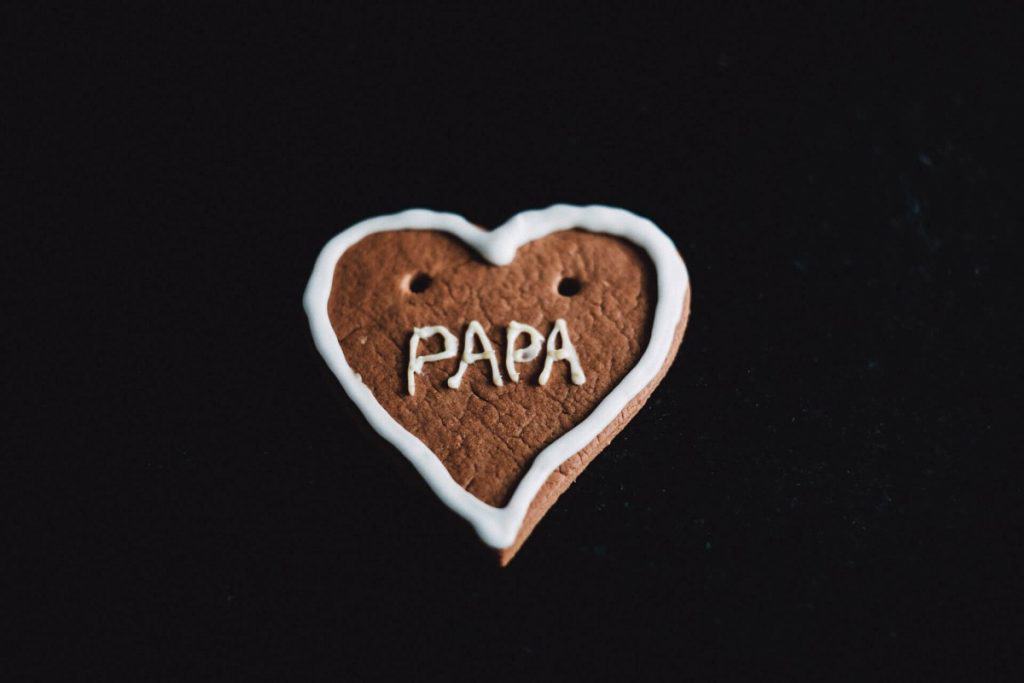
Padre is the direct translation of ‘father’. Just like ‘papá’ is commonly used in Latin America, in Spain, padre is the most common and standard way to call your dad. In this context, ‘padre’ can be used to call your dad and when you’re referring to him or to someone else’s dad.
¿Cómo está tu padre, Manuel?
How is your father, Manuel?
Nuestro padre colecciona libros raros
Our father collects rare books
El padre de Sofía habla español, francés e italiano
Sofía’s dad speaks Spanish, French and Italian
Take Note: In Latin American Spanish speaking countries, ‘padre’ is a very formal word to say ‘dad’. Additionally, in Mexico, ‘padre’ has a slang meaning that has nothing to do with ‘dad’.
Related Resource: What Does ¡Qué Padré! Mean in Mexican Slang?
6. Apá – Pops / Dad
Apá is another common and informal nickname that means ‘dad’. This word is the shortened version of papá and it’s quite popular among kids, young people, and grown-ups alike. Although it’s not a rule of thumb, speakers use this word when talking or calling their dads. ‘Apá’ is a Spanish term that was commonly used in the country. However, nowadays, it’s quite popular in the cities too. ‘Apá’ is mainly used in:
- Mexico
- Honduras
- Colombia
¡Apá! ¿Has visto mis llaves?
Pops, have you seen my keys?
¿A qué hora empieza el partido, apá?
What time does the game start, dad?
Má, ¿sabes dónde está mi apá?
Mom, do you know where my pops is?
7. Viejo – Old man
When talking about nicknames for your dad, viejo is an affectionate word that Spanish speakers use to refer to their or someone else’s dad. This word is the direct translation of ‘old man’. With this meaning, ‘viejo’ is more commonly used among men.
[Possessive pronoun/Definite Article] + viejo
Al viejo le va a gustar esta camisa
The old man is going to like this shirt
Mi viejo me regaló este carro por mi graduación
My old man gave me this car for my graduation
¿Cómo está tu viejo? Hace mucho que no lo veo
How is your old man? I haven’t seen him in a while
Take Note: Viejo can be used in other contexts that are not related to nicknames for dads. Make sure you pay attention to the context and the speaker’s tone of voice.
8. Papaíto – Dad / Pop
Papaíto is a common term among small children and small towns to say ‘dad’ in Spanish. This word is well-known among Spanish speakers; however, some of them may not use it because it may be a little bit cute and cheesy. Papaíto can be translated either as ‘pop’ or ‘dad’.
¿Ya casi llegamos, papaíto?
Are we almost there, dad?
Papaíto, mira lo que me compró mamá
Pop, look what mom bought me
¿Qué quieres hacer en tu cumpleaños, papaíto?
What do you want to do for your birthday, dad?
9. Pá – Dad / Pop
Pá is a shortened version of papá, as a result, this word is a very common way to say ‘dad’ in Spanish. Since it’s a shortened version, pá is mainly used in informal contexts. Additionally, as we mentioned before, ‘papá’ is very popular in Latin American Spanish speaking countries, but not as much in Spain. Therefore, the same rules will be applied for pá.
Generally speaking, ‘pá’ is mainly used as an affectionate way to call your dad. Some people may also use this word to refer to their or someone else’s dad, but in this case, there has to be some kind of familiarity between these people.
Vi a tu pá el otro día
I saw your pop the other day
Pá, ¿me puedo llevar el carro?
Dad, can I take the car?
Te quiero mucho, pá, gracias por todo
I love you very much, dad, thank you for everything


Wrapping Up
Even though papá and padre are very well-known for Spanish learners, there are other popular words that you can use to say ‘dad’ in Spanish. For that reason, in this list, we compiled 9 common nicknames and terms that Spanish speakers use when calling their dads.
On top of this, we included some useful descriptions so you know the best way to apply these words in your conversations. Now, you’re ready to go out there and start saying ‘dad’ as a truly native Spanish speaker.
Related Resource: Different Ways to Say Mom in Spanish